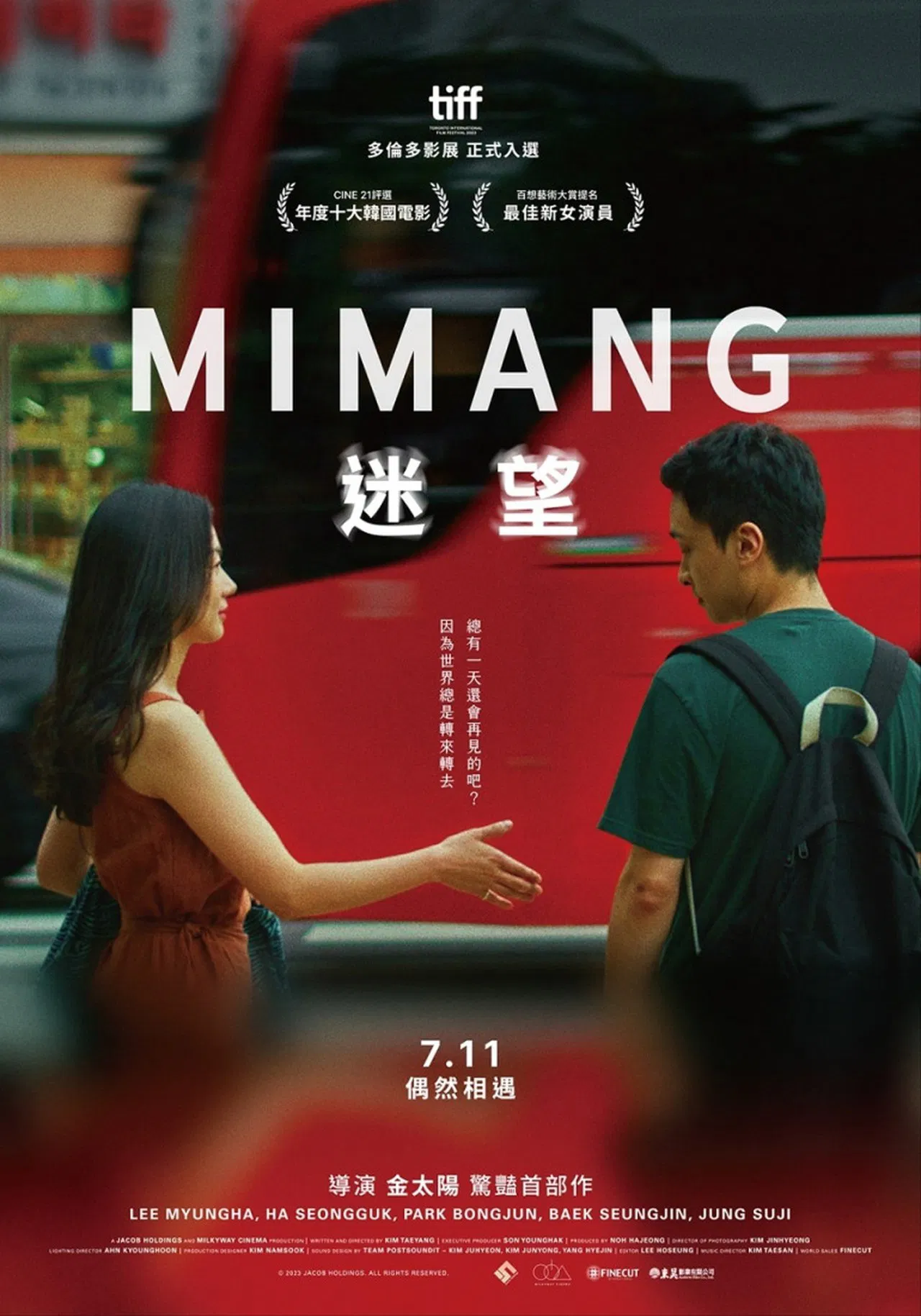
影片详情
微望
More than once, the protagonists in Mimang wonder where they are and where they’re going—it is a concrete, geographical question born from walking aro
- 类型
- 爱情片
- 年份
- 2023
- 地区
- 韩国
- 语言
- 韩语
播放地址
《微望》选集
lzm3u8
liangzi
剧情资料
剧情简介
《微望》讲述的是什么故事?
《微望》More than once, the protagonists in Mimang wonder where they are and where they’re going—it is a concrete, geographical question born from walking around the streets of Seoul, but as the film progresses, that urban journey also proves to be an existential one. We accompany the characters in some stretches of their path—many years separate each of the episodes that make up the film, and that distance reveals changes through what remains. This is not a film about earthquakes, but about small transformations, and the marks of time can be seen not only in the actors’ bodies, but also in that other omnipresent protagonist that is Seoul, whose vitality invades every shot. Like others before him (it’s inevitable to think about Truffaut or Linklater), here, Kim Taeyang reminds us that cinema is the best time machine that has been invented so far.
一、《微望》是哪一年上映的?
《微望》是金泰阳于2023年拍摄的一部经典爱情片。此片开创韩国当代爱情片的先河,《微望》上映时票房稳坐前三,创下当年纪录。当时李明河,河成国,박봉준,백승진均为最佳主角,李明河,河成国,박봉준,백승진以精彩演技和突出形象,奠定在韩国影坛地位。李明河,河成国,박봉준,백승진饰演角色造型多年后仍为人所模仿。金泰阳之前曾被人怀疑其能力,而《微望》却奠定金泰阳爱情片风格。《微望》首映时曾获海外爱情片和媒体广泛称誉,被认为其优秀程度,是足以与同时期(指2023年代)韩国优秀爱情片齐名。
二、被称为爱情片的开先河之作的《微望》,是金泰阳最好的作品吗?
从金泰阳斩获爱情片最佳导演开始,很多观众就觉得这部《微望》是他极具代表性的爱情片。虽然金泰阳后来还拍出过评价很好的作品,但是《微望》依然常被认为是他爱情片创作中的重要代表。
三、《微望》为什么可以成为经典?
提起韩国,不少观众都会想到《微望》的名字。这部由金泰阳导演,李明河,河成国,박봉준,백승진主演的《微望》,在当时凭借鲜明的人物塑造和紧凑的爱情片叙事获得了不错反响。正是人物命运、情绪推进和故事节奏之间的相互配合,让《微望》在同类型作品中具有较高辨识度,也让观众对其中的情节留下深刻印象。
四、如何评价《微望》?
《微望》口碑表现稳定,深受广大观众喜爱。不仅李明河,河成国,박봉준,백승진的表演有看点,而且该爱情片故事情节紧凑,宅宅电影网(soudedao.com.cn)观看起来流畅,同时还能保持较强的剧情吸引力。虽然不同观众对《微望》的评价各有侧重,但该片目前的受欢迎程度已经名列同类作品前茅。
五、《微望》爱情片的主要内容
《微望》是一部爱情片作品,由导演金泰阳执导,李明河,河成国,박봉준,백승진主演。影片围绕主要人物的经历展开,通过人物关系、情节推进和情绪变化,呈现出一段具有观看价值的爱情片故事。
《微望》More than once, the protagonists in Mimang wonder where they are and where they’re going—it is a concrete, geographical question born from walking around the streets of Seoul, but as the film progresses, that urban journey also proves to be an existential one. We accompany the characters in some stretches of their path—many years separate each of the episodes that make up the film, and that distance reveals changes through what remains. This is not a film about earthquakes, but about small transformations, and the marks of time can be seen not only in the actors’ bodies, but also in that other omnipresent protagonist that is Seoul, whose vitality invades every shot. Like others before him (it’s inevitable to think about Truffaut or Linklater), here, Kim Taeyang reminds us that cinema is the best time machine that has been invented so far.